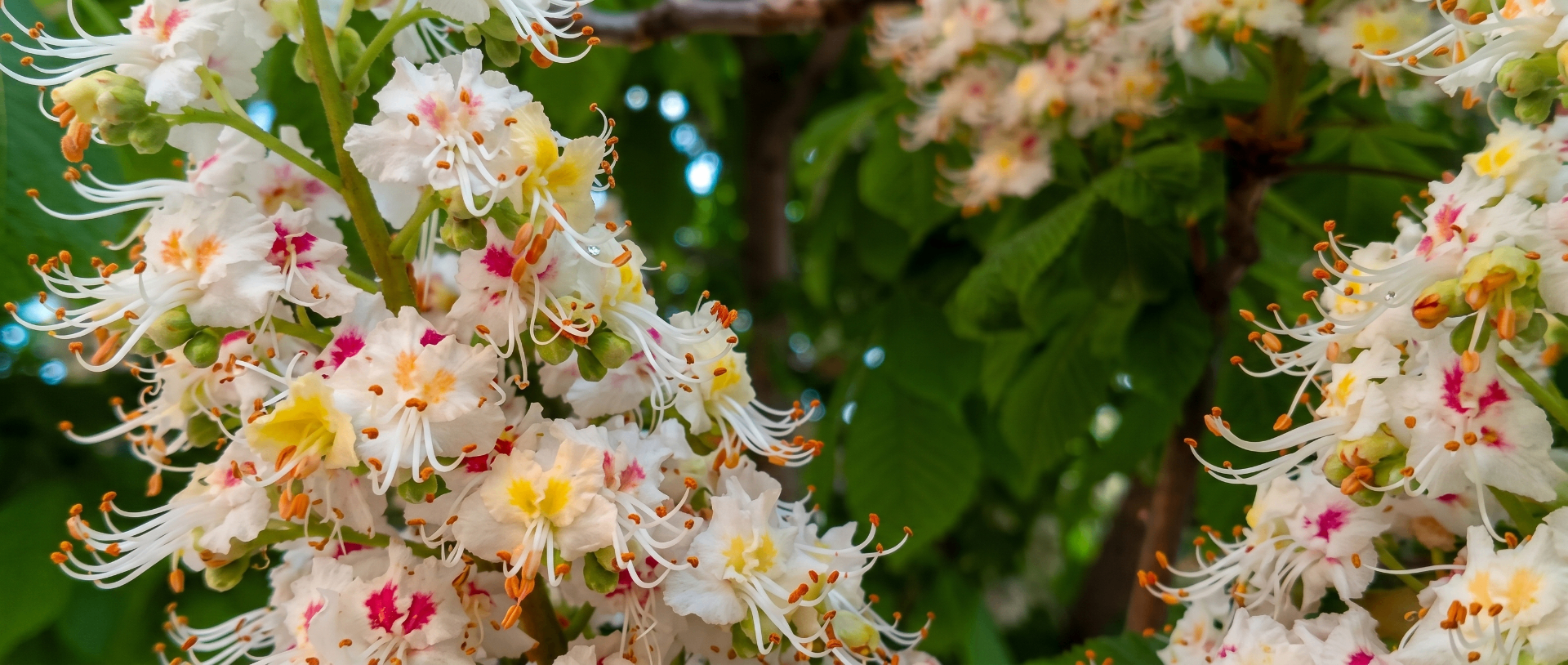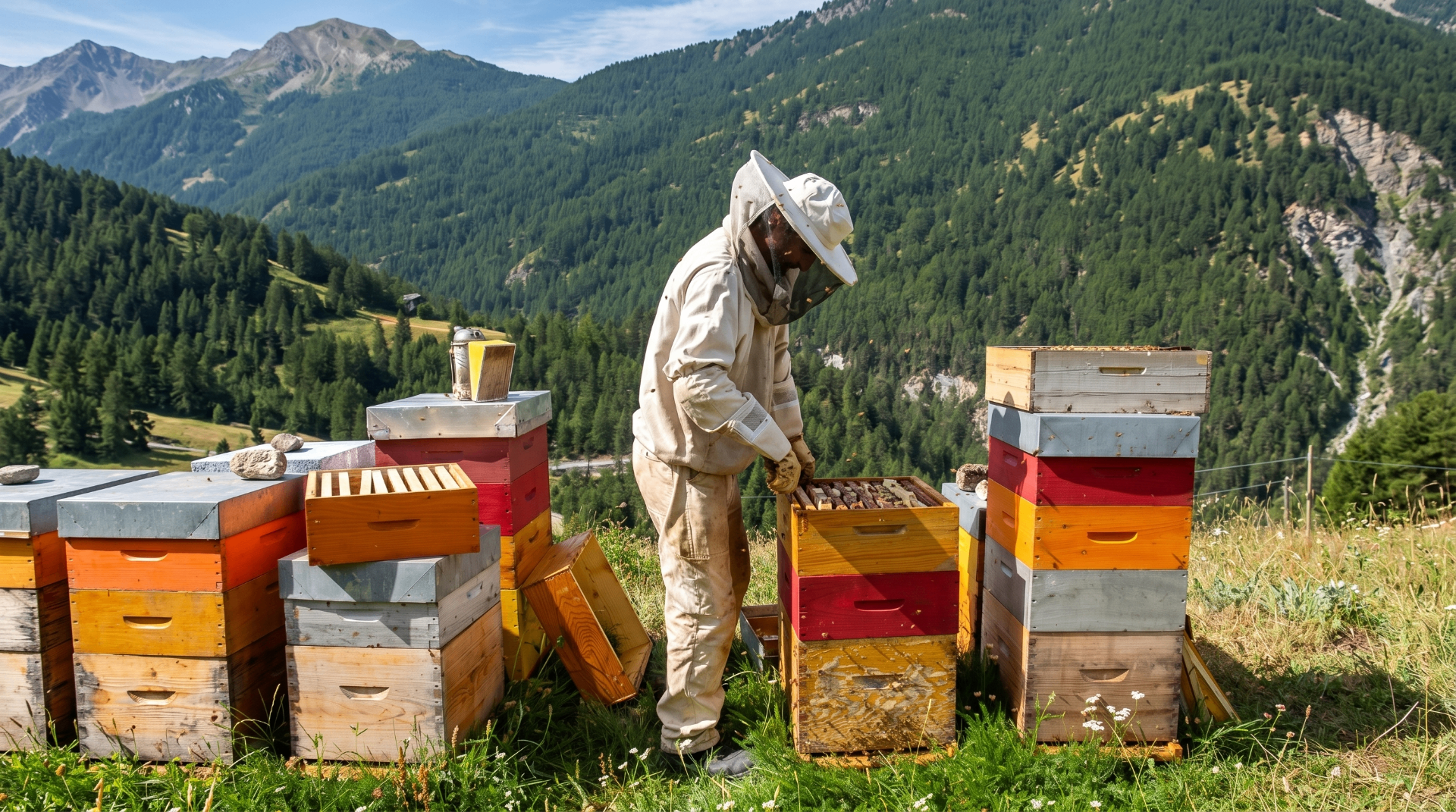
In the northeastern corner of Türkiye, where the Black Sea climbs into the Caucasus, lies Borçka — a remote district of Artvin defined by mist, granite cliffs, and centuries-old chestnut trees.
For generations our beekeepers have walked these slopes carrying nothing but wooden hives and patience. Each summer, when the chestnut blossoms open for a few short weeks, the bees do their quiet work — gathering nectar so dark it looks almost black against the comb.
We never heat. We never blend. We sieve only once for wax and bottle directly into glass. What you taste is what the season gave: malt, bitter cocoa, the faint smoke of the forest floor, and a finish that lingers like a memory of wood.
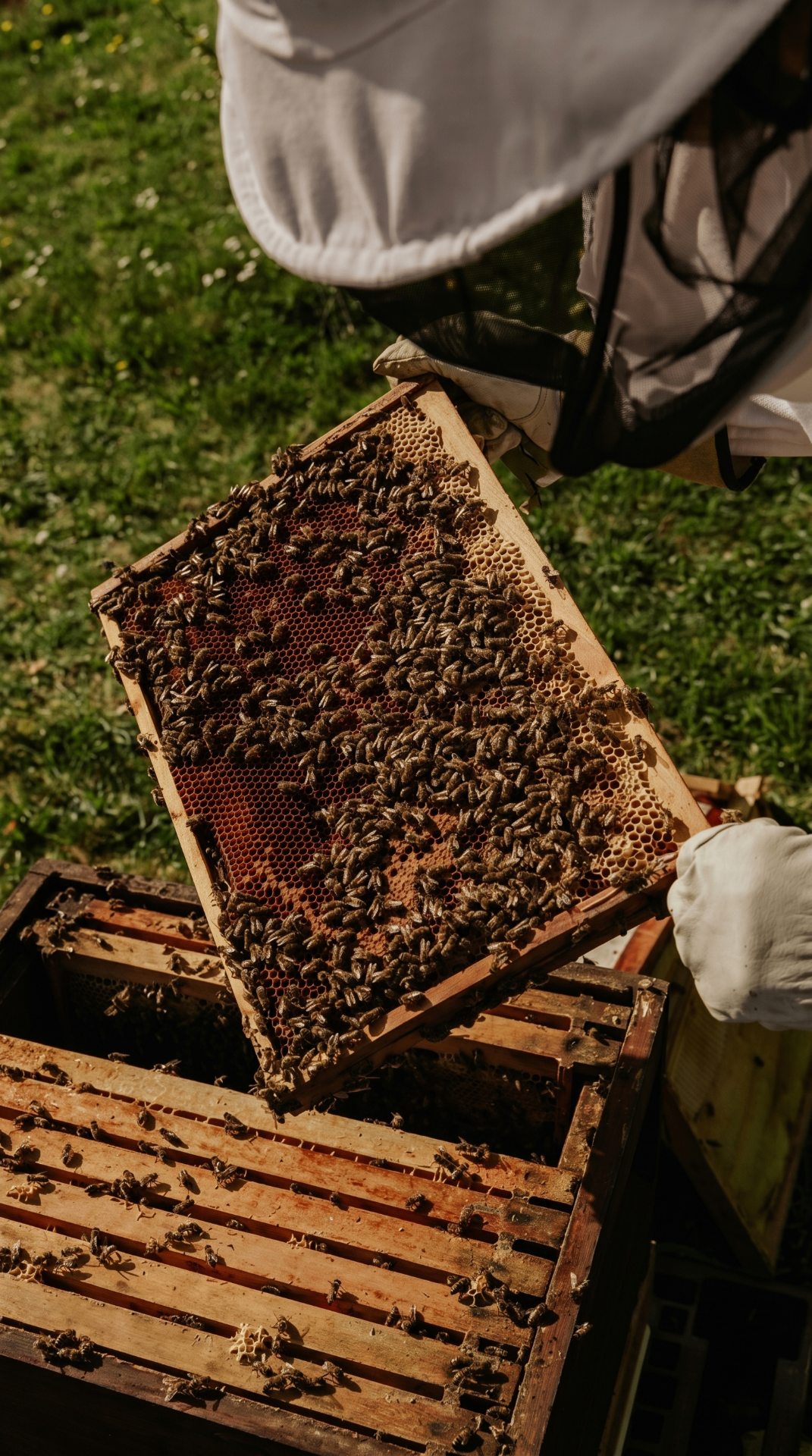
This is not honey made at scale. There are no factories, no thermal centrifuges, no anonymous blends. There is a small team, a stand of trees, and weather that decides everything.
We bottle a few thousand jars per year. When they are gone, they are gone — until next summer, when the chestnut blooms again.
"Less sweet. More character."